

Actors and Singers: 3 Rehearsal Tests for Your Audition Dress Code
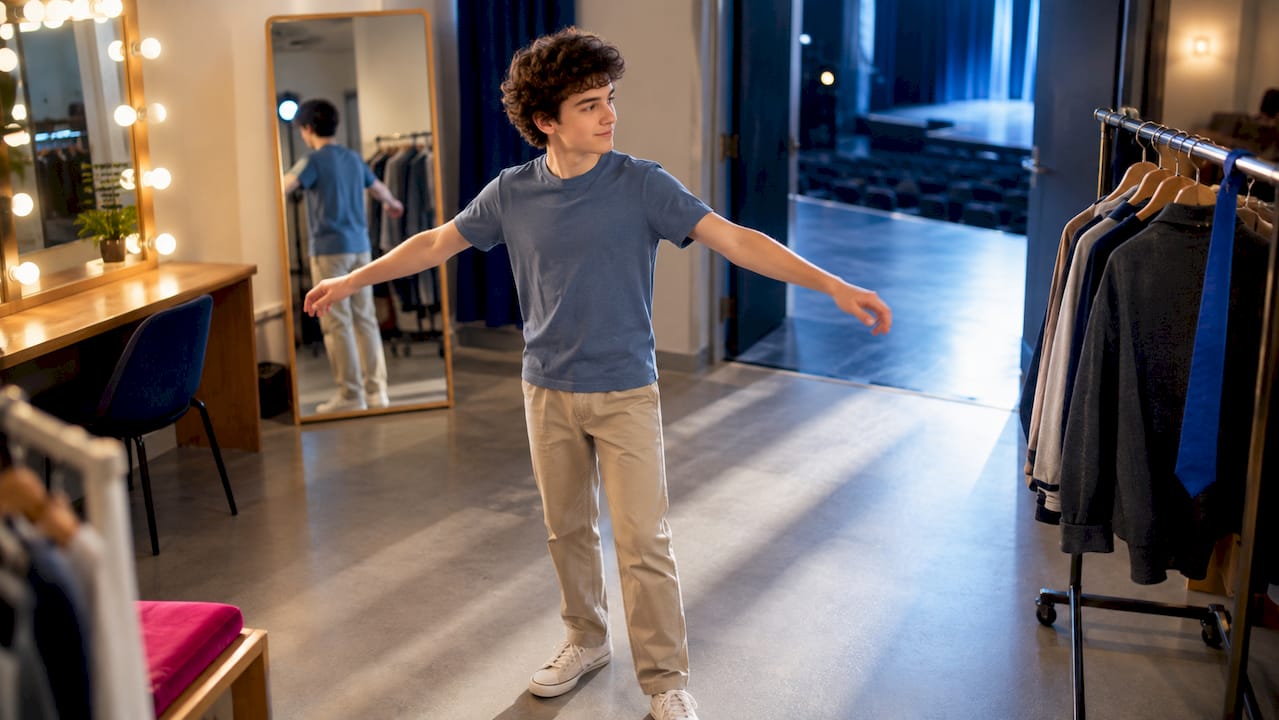
Wear something clean, fitted and comfortable that frames your face, and let the casting team see you, not your clothes, as explained in the importance of headshots for actors. That is the whole rule. The audition brief always overrides general guidance, so check it first, and prioritise clothes you can move and breathe in over anything trend-led. Ocean Theatre Company and industry guides like Backstage agree: the outfit’s job is to disappear.
TL;DR:
Dressing in fitted, comfortable, and neutral-colored clothing that allows free movement is essential, especially if the audition brief does not specify otherwise.
A quick test photograph can reveal if the outfit’s color or pattern will distract on camera or stage, prompting a replacement if needed.
Clothing should emphasize your posture and movement, avoiding tight or loose garments that can restrict or hide your figure during performance.
For movement or dance calls, pack spares, wear broken-in shoes, and layer clothing to ease transitions between different parts of the audition.
Rehearsing the full outfit under stage conditions helps build confidence and ensures the clothes support your performance, not hinder it.
Table of Contents
How to read the brief and choose the right audition attire
Before you touch your wardrobe, reread whatever the casting call sent you. Casting directors treat the audition brief as the top priority, and anything it says about dress overrides general rules, according to industry sourcing on casting practice. Look specifically for:
Any explicit dress-code note, even something as small as “smart-casual” or “no bright colours”
Whether a movement or dance element is mentioned, which changes your footwear and fabric choices
Camera-specific instructions, since filmed auditions read colour and pattern differently to a live room
If a brief goes quiet on wardrobe, it’s fair to ask. A short, professional line works: “Could you confirm if there’s a dress code or movement element for this audition?” With no brief at all, default to smart-casual, neutral colours and something you could dance in at a moment’s notice. Pack a spare layer regardless.
Fit and silhouette: make your line readable
Fitted, not tight, is the rule casting panels return to again and again. A professional checklist from UNH stresses that clothes need to show your posture, your line and your movement clearly, without restricting any of them. Too loose and your shape disappears; too tight and you’ll fidget, which pulls focus straight off your face.
Three quick home tests before audition day:
Sing your piece in the outfit and check nothing gapes, rides up or restricts your breath.
Reach, sit and turn in front of a mirror to see how the fabric behaves in overhead light.
Stand a metre back and check whether your face or the outfit catches your eye first.
Rehearsing in your actual audition clothes, including shoes, helps you stop thinking about wardrobe altogether once you’re in the room, a habit performers who study with Topher Keene build early. Simple tailoring, a hemmed trouser or a taken-in waist, solves most fit problems for a few pounds.
Pro Tip: If you forget you’re wearing the outfit while you’re singing, you chose right. If you’re tugging at it between phrases, change it before the day.
Colours and patterns that let your face read clearly
Jewel tones, muted blues and greens, and warm earth tones tend to flatter most complexions under both stage and studio lighting. Pure black can flatten your features under harsh light, and stark white often blows out on camera, according to UNH’s dress guidelines. Busy prints, loud logos and anything with visible branding pull attention away from your performance, which is the opposite of what you want.
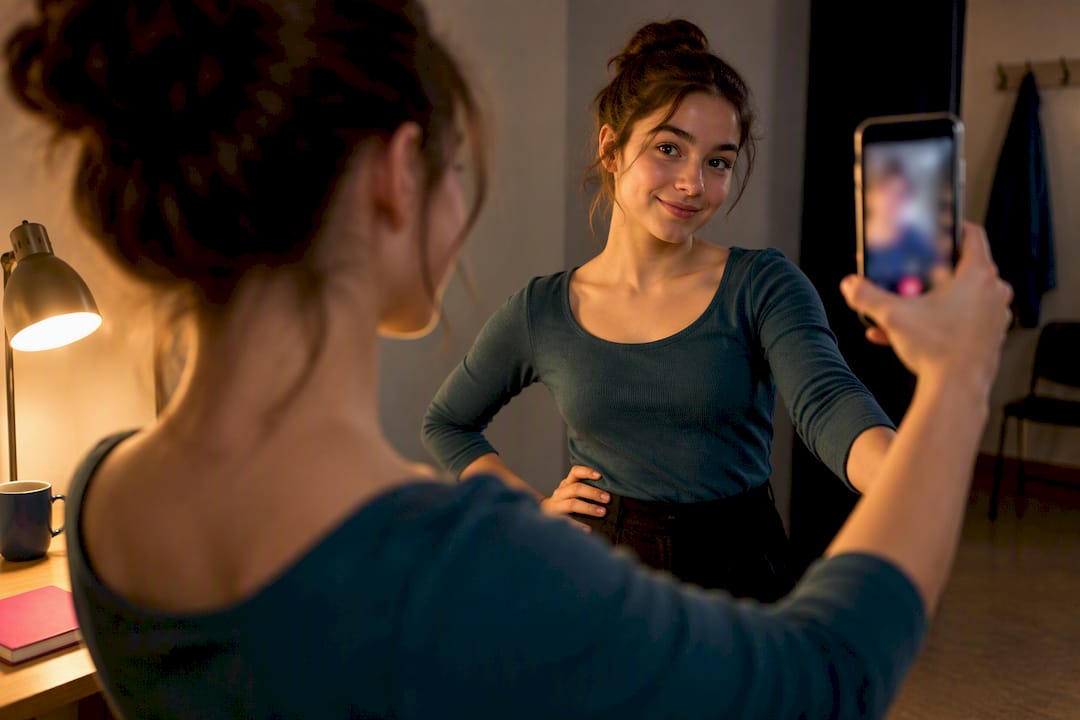
A quick test fixes most doubts: photograph yourself in the outfit under a cheap lamp or your phone’s front camera, the same check professional stylists recommend before audition day. If the colour washes you out or the print buzzes on screen, swap it. A subtle colour nod toward the world of the show, a muted red for a period drama, soft denim for something contemporary, works far better than any literal costume.
Fabrics and comfort: pick materials that move with you
Cotton, jersey and stretch blends breathe well and move honestly with your body, which matters when nerves already have you sweating before you’ve said a word. Linen creases the moment you sit down, and some polyester blends show sweat patches under stage lights during long casting calls, a point BBC Maestro’s audition guidance makes clearly.
Check the practical details too:
Run a hand over every seam and fastening; anything that catches or digs will distract you mid-audition
Test bra straps, waistbands and zips with the same movement you’ll use in the room
Do a full dress rehearsal in the outfit, shoes included, to catch problems before they catch you
A tiny emergency kit earns its place in every bag: safety pins, a needle and thread, a spare button, and a stain wipe.
Choosing footwear for singing, camera and dance calls
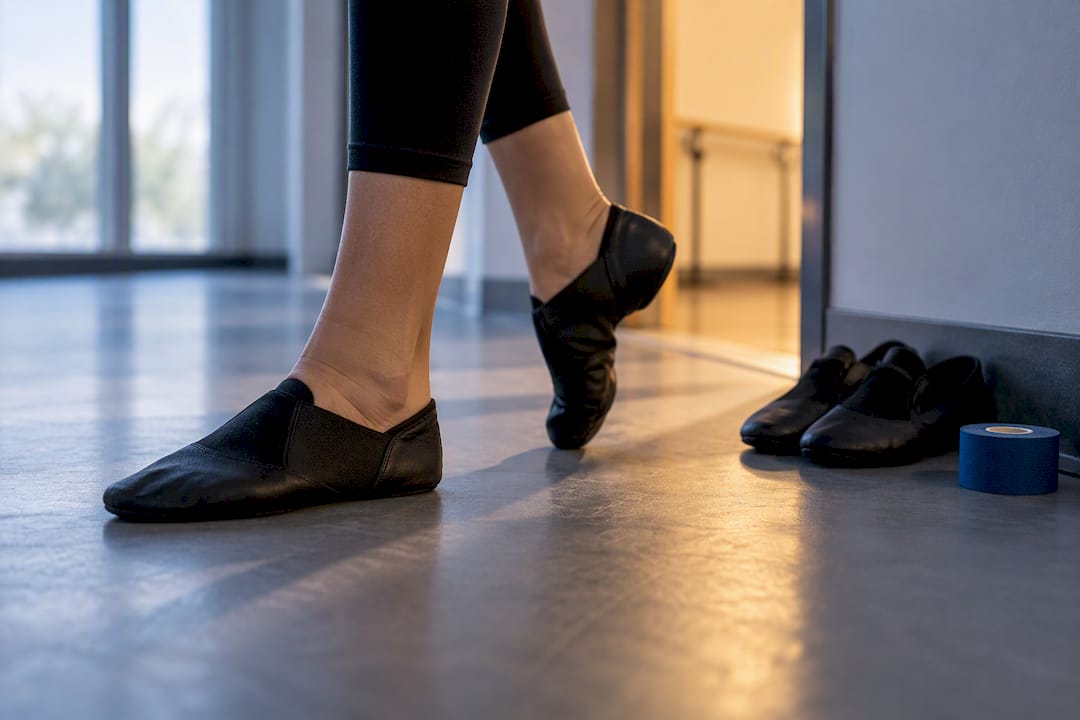
Character shoes suit musical theatre auditions, clean flats or soft-soled shoes work for straight singing or acting calls, and proper dance shoes matter whenever movement is involved. Casting professionals consistently advise breaking shoes in well before the day and bringing spares, particularly for dance-heavy calls.
New shoes cause blisters at exactly the wrong moment, so wear them around the house first, and pack plasters or tape just in case. If a callback splits into a singing round and a dance round, say so plainly: “I have shoes for the dance call” tells the team you’ve prepared, not just turned up.
Hair, grooming and make-up that keep the focus on you
Keep hair off your face so your expressions read clearly, whether you’re in a small room or on camera. Understated make-up works better than stage-level colour for most studio auditions, since heavy contouring or bold lipstick can look strange under close lighting. Clean nails, no strong perfume and secure hair accessories round out the basics. The rule underneath all of it: if something might distract casting from your face or your voice, leave it at home.
Packing a dance-call kit and change strategy
Movement auditions demand a bit more logistics than a straight acting call, so build a compact kit you can carry without thinking twice.
Pack spare tights or leggings, dance shoes, safety pins, a needle and thread, plasters, deodorant and clear nail varnish for tights runs.
Layer your clothing so you can add or remove pieces quickly between a singing round and a dance round, and store spares somewhere you can reach without unpacking your whole bag.
Arrive early enough to test the flooring and warm up in your actual audition outfit, not your travel clothes.
For fitted movement, prioritise stretch fabrics that let choreographers see your line clearly, and switch between rehearsal shoes and performance shoes exactly when asked, guidance echoed in Dance Magazine’s audition coverage. Ocean Theatre’s own Singin’ in the Rain production is a good example of the movement-heavy shows this kind of preparation supports.
The quick no-go checklist before you walk in
Run through this before you leave the house:
No costumes, no fancy dress, no literal character outfits
No loud logos, branding or busy prints that pull focus from your face
No noisy jewellery that clatters or distracts during a quiet moment
No damaged or unbroken-in shoes
Nothing tight enough around the ribs or waist to affect your breath support
If you’re genuinely unsure, simplify. A well-fitting solid colour that flatters your complexion beats an elaborate outfit every time, a principle StarNow’s audition advice backs consistently. One more thing worth remembering: wear the same outfit to your callback as your first audition. It helps casting recognise you instantly.
Why rehearsal matters more than the outfit itself
Clothing choices only work when they’re rehearsed, not just planned. At Ocean Theatre, young performers aged 14 to 19 build confidence by running full scenes in their actual audition clothes, catching the fiddly straps and gaping seams long before they matter. That habit does more for a nervous performer than any single fabric or colour choice. Clothing supports the work. It never replaces it.
— Andrew
Rehearse your audition look with Ocean Theatre
Reading advice about audition attire only gets you so far. Testing it under real stage lighting, with real movement and a real panel of eyes on you, is where the nerves actually settle. Some youth theatre companies provide environments with professional-led rehearsals, multiple large-scale musical productions annually, and inclusive participation policies allowing young performers to join and build their skills.
[

Our Company programme for 14 to 19 year olds runs weekly training where you can rehearse in your actual audition outfit, under stage lighting, with people who’ll tell you honestly if something’s distracting. If you’d rather see the training in action first, our current production, Crazy For You, is a good place to start. Get in touch to check availability for the next intake.
Sources
FAQ
What Is Appropriate to Wear to an Audition?
Clean, fitted (not tight) clothing in a flattering colour that lets you move and breathe freely is the safest choice. Follow the audition brief if one exists, since it overrides any general rule.
What Is the 3-3-3 Rule for Clothes?
The 3-3-3 rule is a general capsule-wardrobe concept from everyday style advice, not a recognised audition standard, so it doesn’t apply directly here. For auditions, the more relevant rule is fit, comfort and freedom of movement, guided by whatever the casting brief specifies.
What Should I Wear to a Music Audition?
Smart-casual, movement-friendly clothing in solid, flattering colours works for most singing auditions, according to BBC Maestro’s guidance. Avoid linen, since it creases quickly, and test the outfit by singing your full piece in it beforehand.
What Not to Do at an Audition?
Avoid full costumes, distracting prints, noisy jewellery and unbroken-in shoes, all of which pull focus from your performance according to StarNow’s audition advice. If you’re unsure about an outfit choice, simplify to a clean solid colour rather than risk a distraction.
Comments