

Finding Your Vocal Range: Five Steps to a Usable Tessitura for Teens
- admin79639
- 1 day ago
- 7 min read

You can find your vocal range in five minutes: warm up for a few minutes, sing down semitone by semitone to your lowest comfortable note, then back up semitone by semitone to your highest comfortable note, and write down both. What matters most isn’t that ceiling or floor note, though. It’s the comfortable middle part of your range, called your tessitura, where your voice naturally feels most at home when singing.
TL;DR:
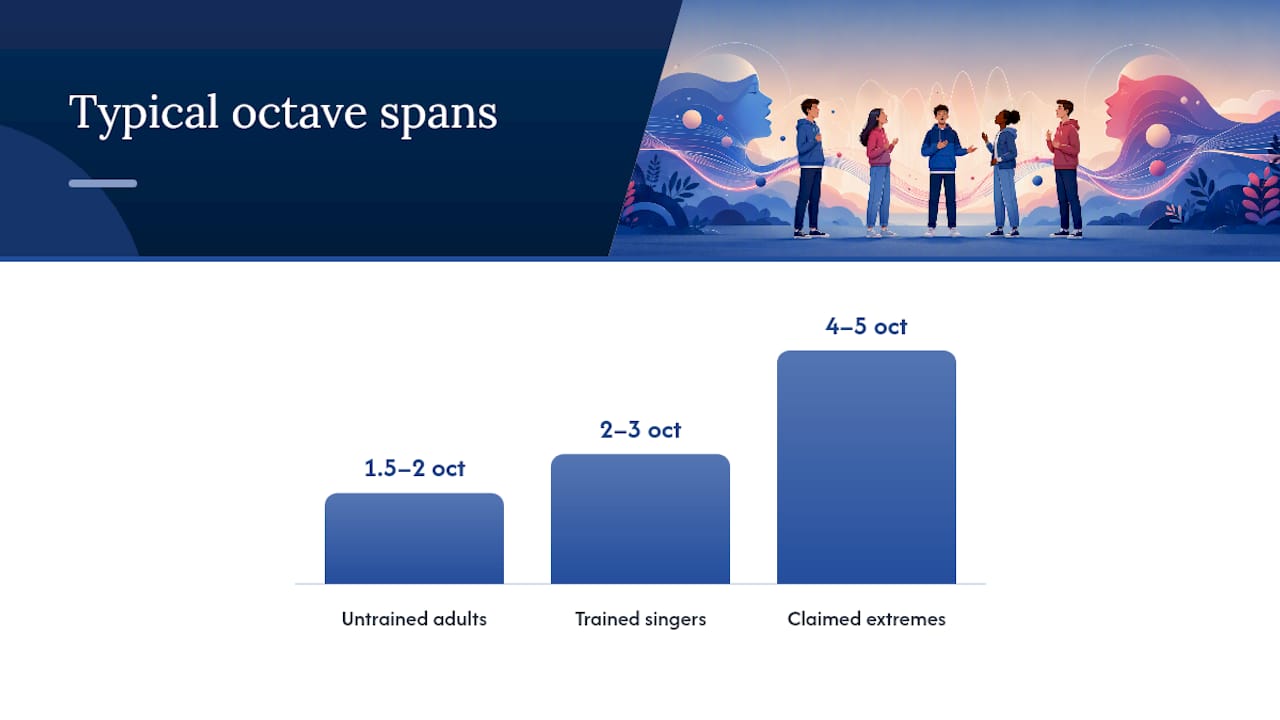
Most untrained adults naturally have a vocal range of one and a half to two octaves, while trained singers may extend to three octaves or more.
The best way to find your vocal range is by warming up thoroughly, then descending and ascending on a semi-tone scale to your comfortable limits.
Your vocal tessitura, where your voice feels most natural, is typically three to four notes narrower than your full range.
Using a piano or pitch-detection app provides more accurate results, but noise, fatigue, and vocal fry can skew your measurements.
Regular retesting and working with a professional can help develop your range safely while building confidence through ensemble training.
Table of Contents
Finding your vocal range: a five-step test you can do right now
Grab a piano, a keyboard app, or your phone with a tuning app open, and give yourself ten quiet minutes. Here’s the sequence we teach to every young performer who joins us at Ocean Theatre, whether they’ve been singing for years or have never done more than mumble along to the radio.
Warm up first. Spend three to five minutes on humming, lip trills and gentle sirens (sliding your voice up and down like a mini rollercoaster). A cold voice gives you an unreliable reading, so don’t skip this even if you’re impatient to get a number.
Play a comfortable middle note. Something like middle C works for most people. Sing it, and check it feels easy, not strained.
Descend semitone by semitone. Move down the keyboard one note at a time, matching pitch with your voice. Stop at the last note you can produce clearly and without straining, forcing, or losing your voice — that’s your lowest comfortable note, not the point where your voice cracks into a creaky growl.
Ascend semitone by semitone. From that same middle note, climb upward. Include your head voice if that’s part of how you naturally sing, but the moment you feel your throat tighten or your voice wants to break unpredictably, stop; that’s your ceiling for today.
Record the note names. Use a pitch-detection app or simply note down what you played on the piano, so you end up with something like G2 to G4 rather than a vague memory of “quite low” to “pretty high.” Writing the actual note names down makes it far easier to talk to a singing teacher, an accompanist, or anyone helping you pick songs later.
Do this on two or three different days rather than trusting a single attempt. Mornings, evenings, after a long day of talking, after a lie in. Your range will shift slightly depending on tiredness, hydration and how warmed up you are, and the most consistent reading across several sessions is more useful than any single extreme measurement.
Pro Tip: Sing the descending and ascending scales on a relaxed “mm” or “not” sound rather than an open “ah.” It’s far easier to feel where your voice genuinely runs out of steam, rather than where you simply stop pushing air through an open throat.
What your notes mean for your voice type and song choice
Once you’ve got your two note names, you can compare them against the rough bands singers use to describe voice types. Treat these as guidelines, not verdicts. Plenty of trained sopranos sing comfortably below their “official” floor, and plenty of baritones stretch well above theirs.
Soprano: roughly C4 to C6
Mezzo-soprano: roughly A3 to A5
Contralto/alto: roughly F3 to F5
Tenor: roughly C3 to C5
Baritone: roughly A2 to A4
Bass: roughly E2 to E4
Here’s the part most beginners miss: your full range and your tessitura are not the same thing. Tessitura is the smaller band of notes where your voice sits naturally and sounds effortless, and it’s typically three to four notes narrower at each end than your maximum recorded range. You might be able to shriek out a top note under pressure, but that doesn’t mean you should build a performance around it.
This is where the real skill of finding your vocal range for singing pays off in practical terms. Say a song sits between D3 and D5, but your comfortable tessitura runs from B2 to B4. Rather than straining for two years to “grow into” the original key, transpose it down a tone. You’ll sound more confident, hold notes longer, and the audience will hear a singer in control rather than one hanging on for dear life.

Choosing the right tool: piano, apps and online testers
A piano or keyboard app gives you the most control because you set the pace and can linger on a note that feels borderline. That makes it the better starting point for a first test.
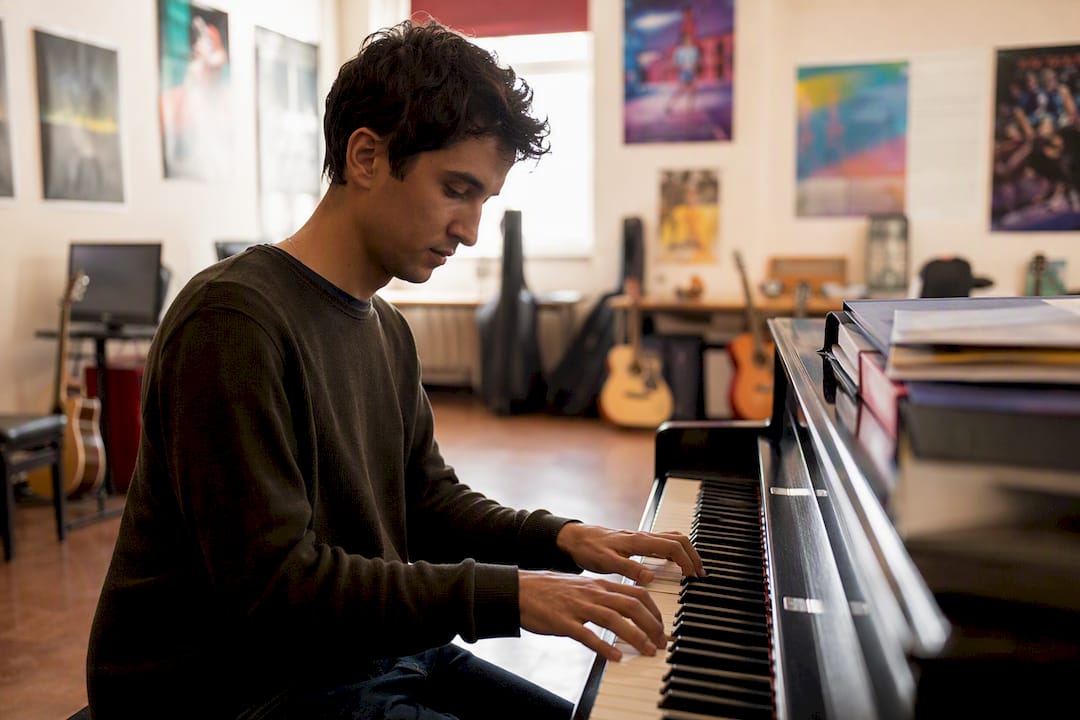
Pitch-detection apps and online testers speed things up once you know roughly where you sit, listening to you sing and returning a note name automatically. These tools generally ask for a comfortable middle note plus your lowest and highest, then map that to a range, but they’re only as good as the conditions you use them in.
Before you trust a result from any tester:
Sing in a quiet room. Background hum or traffic noise confuses the microphone.
Check your microphone isn’t clipping or muffled before you start.
Let head voice count if that’s genuinely part of your singing voice.
Exclude creaky vocal fry from your low reading. It isn’t a real sung note, just your vocal folds rattling.
A number worth knowing: most untrained adults naturally sit somewhere between one and a half and two octaves, while trained singers often extend that to two or three octaves and beyond. Claims of four or five octaves usually fold in whistle tones and fry that have no practical use in a song.
Remember what these tools can’t tell you: floor and ceiling notes, yes, but not your tessitura, your vocal weight, or which register transitions feel awkward. That still takes a trained ear.
Common mistakes and when to see a teacher
A few habits quietly wreck an otherwise good test:
Testing cold. Skipping the warm up makes both your floor and ceiling look narrower than they really are.
Pushing into strain. Forcing a note that clearly hurts or cracks doesn’t extend your range, it just teaches your voice bad habits.
Counting vocal fry as your lowest note. That creaky rattle beneath your real voice isn’t singing, and including it will skew your result lower than it should be.
Ignoring the day-to-day factors. Tiredness, dehydration, allergies, even the time of day all shift your range slightly, which is exactly why retesting matters.
If your results wobble wildly, retest after a proper warm up, record yourself and listen back critically, or try a different tool to cross-check. But some signs point beyond DIY testing entirely: pain while singing, a sudden and significant loss of range, or hoarseness that doesn’t clear up after a few days of rest. Those deserve a singing teacher’s ear or a doctor’s opinion, not another app.
Turning your range into a practice plan
Knowing your notes is the start, not the finish. Use that information to pick songs that sit inside your tessitura rather than fighting your way through your absolute extremes every rehearsal.
Transpose songs you love into your comfortable zone rather than abandoning them.
Build a short daily warm-up of humming, sirens and gentle scales before any serious singing.
Add small, gradual range-expansion exercises once your core range feels stable and strain-free.
Retest every few weeks and jot the results in a notes app, so you can actually see your progress rather than guessing at it.
Pro Tip: Keep a simple two-line log each time you retest: the date, and your lowest and highest comfortable notes. After a few months you’ll have real evidence of growth, which is far more motivating than a single test result gathering dust.
How Ocean Theatre Company teaches young voices to grow safely
We see this process play out with every new group of performers who join us. Ocean Theatre Company works with young people aged 14 to 19 across Berkshire, building confidence through professional-led productions rather than leaving anyone to work out their range alone at home.
Our training pairs high-energy performance with classic musical repertoire, which means directors are constantly matching young voices to the right part of a score rather than forcing everyone into the same key. That’s tessitura thinking in action, applied across a whole cast rather than one singer at a time. Intensive, engaging training like this teaches teenagers what their voice can genuinely do, safely, well before they’d ever push themselves that far alone.
— Andrew
Want coached progress instead of guessing alone?
Testing your range on your own tells you where you stand today. Coached, ensemble training is what actually moves that range forward, safely, over months of rehearsals rather than one evening with a keyboard app. Ocean Theatre Co. gives young performers aged 14 to 19 across Berkshire exactly that: regular singing coached by professionals, real performance experience in front of a live audience, and a strong focus on vocal health so range grows without strain.

Working within a full ensemble does something a solo warm-up routine can’t. It builds performance stamina, teaches young singers how their voice holds up across a whole show rather than a single verse, and grows real confidence through camaraderie with a supportive group of peers who are figuring out their own voices too. If your teenager has just found their range and wants to see what it can actually do on stage, visit our booking information page to check upcoming productions and enquire about joining.
Sources
Comments