

8 Jazz Steps Beginners Must Master: Teacher Drills and Ocean Theatre
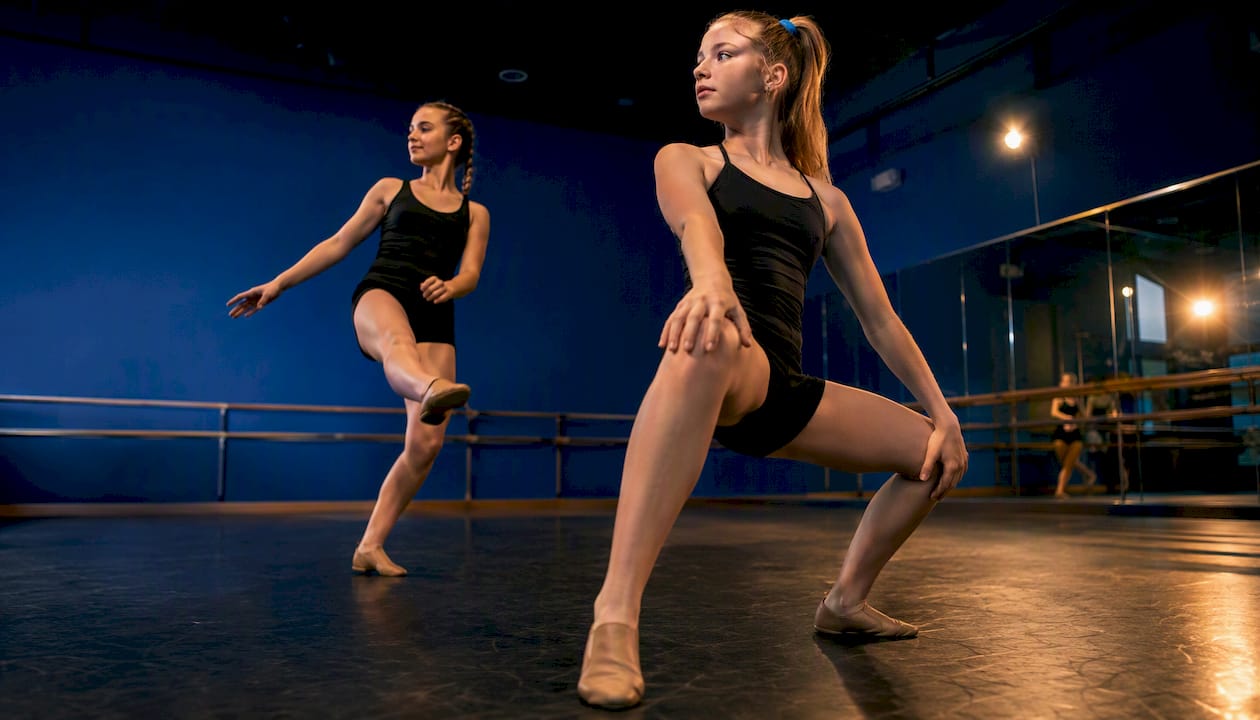
Every beginner jazz dancer should start with eight steps: the jazz square, chassé, pas de bourrée, ball change, plié, isolations, jazz walk and pivot turn. Focus less on speed and more on alignment, safe plié depth, and timing. Get those fundamentals right and everything else, from kicks to pirouettes, builds naturally on top.
TL;DR:
Mastering the jazz square, chassé, and pivot turn with correct alignment and timing is essential before progressing to more complex choreography.
Practice isolations slowly in front of a mirror, focusing on control of individual body parts, while maintaining proper posture and engaging the core.
A warm-up should include light cardio, joint mobilization, and dynamic stretches, while proper footwear prevents injury during turns and pivots.
Focus on short, focused practice sessions several times a week, gradually increasing tempo and layering simple arm or musical accents, to build confident technique.
Dancers should incorporate expressive performance, such as facial expression and breath work, to elevate basic steps into captivating stage presence.
Table of Contents
Jazz dance basics: a step-by-step guide to the core beginner moves
Jazz technique traditionally moves through a set structure: warm-up, isolations, flexibility work, positions, and then combinations of walks, turns and jumps. That sequence exists because each stage prepares your body for the next, and it is worth keeping in mind as you work through the core jazz vocabulary/05%3A_American_Jazz_Dance/5.03%3A_Defining_Jazz_Technique) below.
These are the moves that show up in almost every beginner jazz dance routine, and once you can string them together cleanly, choreography starts to make a lot more sense.
Jazz square (box step): a four count pattern where you step right foot across left, step back left foot, step right foot to the side, and close left foot to right. Keep your torso facing forward throughout, and shift your weight cleanly onto each foot rather than letting it drift between two feet at once.
Chassé: danced as “step, together, step”, this travelling move relies on a small plié push from the back foot to send you gliding sideways or forward. Land softly through the ball of the foot rather than stamping flat, which keeps the movement light instead of clunky.
Pas de bourrée: a quick three-step transition, typically back, side, front, that dancers use to shift weight or change direction between bigger steps. Think of it as a connector rather than a destination step.
Ball change and kick ball change: a ball change shifts your weight from the ball of one foot to the other in a quick, snappy motion. Add a kick before it and you get the kick ball change, a staple of beginner jazz choreography that needs a definite weight transfer to look crisp rather than sloppy.
Plié and relevé: plié bends the knees over the toes with the spine long, and relevé lifts you onto the ball of the foot or full pointe. Together they act like a spring, loading energy on the way down and releasing it on the way up, which is exactly how jumps and turns get their lift.
Pivot turn: a half turn on one supporting foot while the other foot stays close by for balance. Spot a fixed point in front of you, turn your head last and find it again first, and keep your standing leg engaged so you do not wobble off centre.
Pro Tip: Practise each step slowly and in silence before adding music. Counting out loud, “one, two, three, four”, while you walk through the jazz square or chassé builds the muscle memory that music will later ride on top of.
Technique essentials: isolations, posture, plié and musicality
Isolations are widely considered the hardest skill for beginners to pick up, largely because they ask one body part to move while everything else stays still. Mirror practice with slow repetitions is the most reliable way to build that control, since you can see immediately whether your hips are moving alone or dragging your ribcage along with them.
A useful drill is to hold an isolation still for a few counts, then add small pulses rather than big sweeping motions. That builds genuine neuromuscular control instead of just stretching further, which is what separates a clean isolation from a wobbly one.
Head: slide side to side and front to back, keeping the chin level rather than tilting.
Shoulders: lift, drop, and roll one at a time before trying both together.
Ribcage: shift forward, back, and side to side while your hips stay locked in place.
Hips: circle and shift independently of your shoulders, checking a mirror to confirm your upper body hasn’t followed along.
Posture underpins every one of those isolations. Keep your spine neutral, shoulders stacked over your hips, chin level, and gaze lifted rather than dropped to the floor. A collapsed chest or a tucked pelvis will throw off every isolation and every turn that follows.
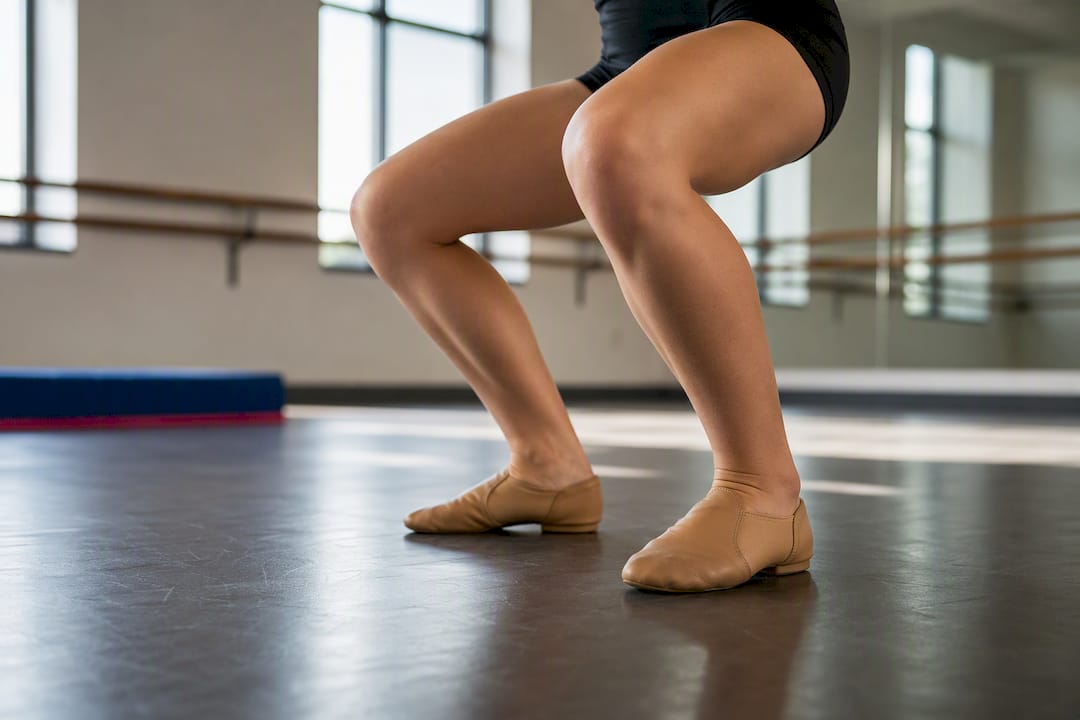
Plié depth matters more than most beginners expect. A shallow plié before a jump or chassé robs you of spring; too deep and you lose speed getting back up. Aim for a plié where your knees track over your toes and your heels stay grounded, then adjust depth to match the step.
Musicality separates dancers who look mechanical from those who look alive. Jazz leans heavily on syncopation and off-beat accents rather than landing every move squarely on the beat. Clap along to a song and try accenting the off-beats specifically. It trains your ear faster than passively listening ever will.
Warm-up, stretching and safety for new jazz dancers
A proper class warm-up usually runs several minutes and prepares the body for everything that follows, including the isolations and jumps covered above.
Light cardio for two minutes, jogging on the spot or marching, to raise your heart rate gently.
Ankle rolls and dynamic hamstring swings to loosen the joints you’ll rely on for chassés and pivots.
Hip flexor mobilisation, gentle lunges with a rotating twist, to free up your jazz walk.
A short plié series, working through first and second position, to warm the knees and engage the core.
Static stretching, holding a hamstring or quad stretch for twenty to thirty seconds, works best after class once muscles are already warm. Before class, stick to dynamic movement rather than long static holds, which can actually loosen muscles too much right before demanding work.
Footwear matters more than beginners assume. Proper jazz shoes or clean trainers with good grip suit most studio floors better than socks or bare feet, which can slip during pivots. If you feel sharp pain rather than normal muscle fatigue, or a joint feels unstable during turns, that’s the moment to speak to a teacher or physiotherapist rather than pushing through. Younger dancers can generally handle higher repetition; older beginners should scale intensity and rest between combinations accordingly.
Pro Tip: Never skip the cool-down. A couple of minutes of static stretching after class reduces next-day soreness far more effectively than stretching cold muscles beforehand.
Building a practice plan for steady jazz dance progression
Shorter, focused practice sessions with warm-up, technique drills, step repetition, and cool-down tend to be more effective than longer unfocused ones.
Practise two or three times a week for the first four to eight weeks, setting small goals like “clean pivot turn” before moving on to chainé turns.
Work in short four to eight count phrases repeatedly rather than running long combinations before you’re ready, since short focused repetition builds cleaner habits than marathon run-throughs.
Increase tempo gradually once a step feels automatic, then layer in simple arm styling or a musical accent.
Record yourself on your phone occasionally and compare it against a mirror session; a metronome or clapped rhythm also helps catch timing drift you might not feel in the moment.
A sensible turn progression often includes pivot turns, followed by chainé turns and eventually a pirouette, always keeping the supporting leg engaged to avoid wobble.
Bringing personality and performance quality to jazz steps
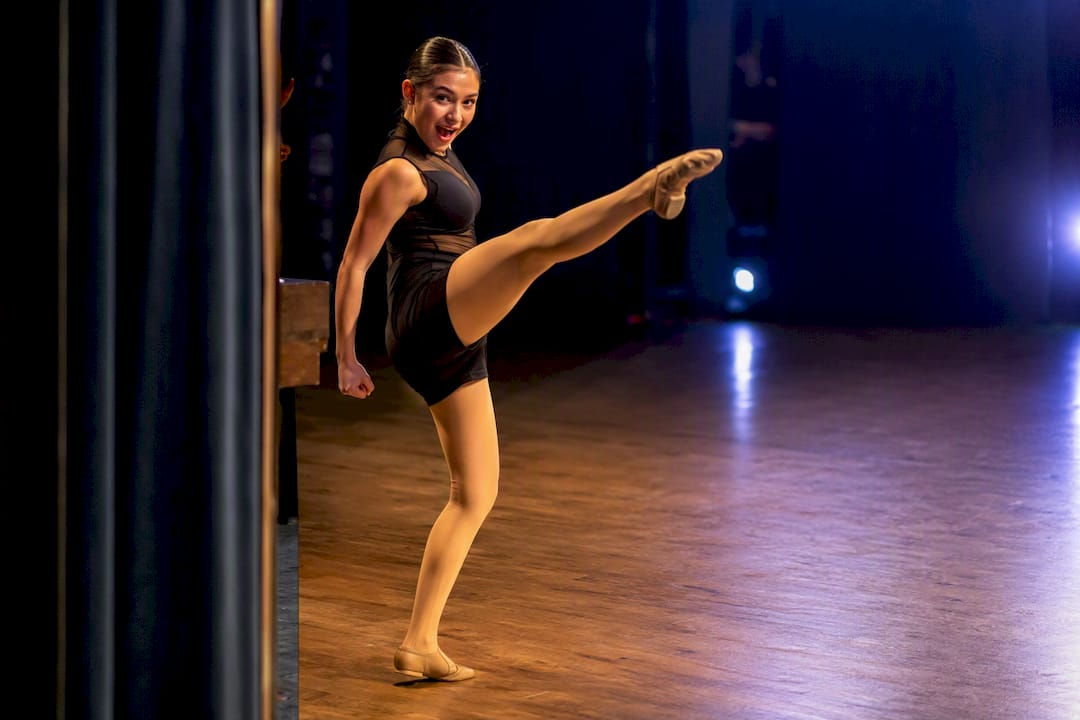
Technique gets you moving correctly; performance quality is what makes an audience actually watch you. Jazz dance rewards energy and confidence in a way that some other styles don’t, so even a simple jazz square performed with a lifted chest and a clear facial expression will read better than a technically perfect one performed flatly.
Think about where your focus lands. Jazz choreography often uses direct eye contact with the audience or a fixed point in the room, which immediately makes movement feel intentional rather than tentative. Sharp accents, whether it’s a snap of the head during an isolation or a punchy kick ball change, should look deliberate rather than rushed.
Breath matters too. Many beginners hold their breath through tricky combinations, which makes movement look stiff. Exhale on the effort, the kick, the turn, the big step, the same way you would during a workout.
Facial expression should match the music rather than sitting frozen in concentration. If the phrase is playful, let your face show it; if it’s sharp and staccato, let your jaw and eyes carry some of that energy too. This is where jazz dance for beginners starts to feel less like a drill and more like performance, and it’s usually the piece that separates dancers who look competent from dancers who look captivating.
Jazz dance terminology every beginner should know
A handful of terms come up constantly in class, and knowing them makes instructions click faster instead of leaving you guessing.
Plié means a bend of the knees; relevé means rising onto the ball of the foot or full pointe. Chassé describes the “step together step” travelling move, while pas de bourrée refers to the quick three-step transition used to shift weight. A spot is the fixed point you focus on during turns to avoid dizziness, and spotting is the technique of finding it again quickly. Isolation refers to moving one body part independently of the rest, and a combination is a short sequence of steps linked together, usually eight or sixteen counts long.
Downbeat and syncopation describe timing: the downbeat is the strong, expected beat, and syncopation means accenting somewhere off it, which is a hallmark of jazz musicality. A layout is a deep backward extension often seen in more advanced choreography, and contraction and release describes the curving and lengthening of the spine borrowed from modern dance technique that jazz frequently uses for dramatic effect.
Knowing this vocabulary matters practically. A teacher who says “add a chassé pas de bourrée into your spot” is giving you three pieces of information in five words, and understanding each one means you spend rehearsal time dancing rather than decoding instructions.
Common jazz dance styles and how they differ
Jazz dance isn’t one fixed style, and beginners often get confused when a class looks different from what they expected. Broadly, a few branches dominate most studios and youth theatre training.
Classic or Broadway jazz leans on the sharp, theatrical style associated with musical theatre choreographers, with big presentational movement, strong facial expression and clean lines built for a stage and an audience. Lyrical jazz slows things down, blending jazz technique with contemporary and ballet influences to interpret a song’s emotional content through sweeping movement and extended lines. Street or commercial jazz draws from hip hop and popular dance culture, favouring grounded, percussive movement and isolations performed with more attitude than extension.
Contemporary jazz sits closest to modern dance, using floor work, contraction and release, and off-centre balances alongside traditional jazz steps. Most beginner classes blend elements of several of these styles rather than committing to one, which is sensible, since the core vocabulary, isolations, chassés, pivots, and transfers appear across all of them. Understanding which flavour a class leans towards just helps you anticipate the kind of musicality and expression you’ll be asked to bring.
How Ocean Theatre builds these fundamentals into real training
We see these fundamentals in action every week. Ocean Theatre Company trains young people aged 14 to 19 across Berkshire, and professional-led rehearsals build isolations and turns into full choreography for two large-scale productions a year. What starts as a plié in a technique drill becomes the confidence and stage presence parents consistently tell us they see grow in their children. That transformation from careful counting to genuine performance is exactly why we built our programme this way.
— Andrew
Sources
Recommended
Comments